Business
How to Make Money on Pinterest in 2026 (7 Proven Ways)
Learn how to make money on Pinterest in 2026 with 7 realistic methods: affiliate links, Etsy sales, blog traffic, sponsored pins, and digital products.
Short answer
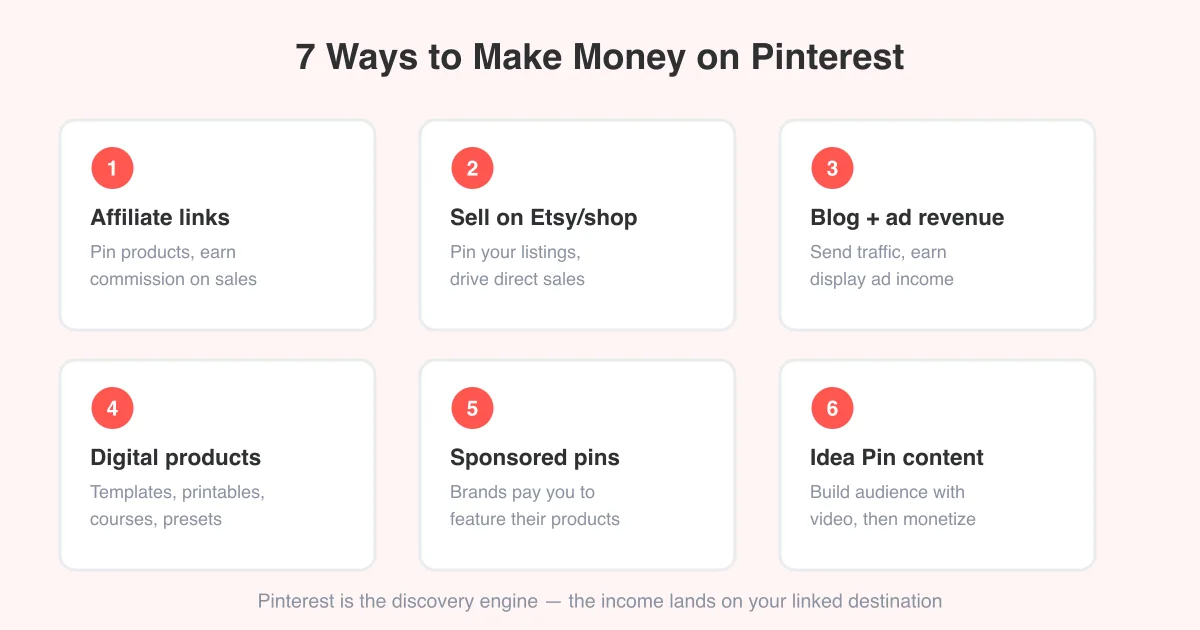
You make money on Pinterest by using it as a traffic and discovery engine, not a payout platform itself: pins drive clicks to affiliate links, your Etsy shop, your blog, or your digital products, and the income comes from those destinations. The fastest realistic paths are affiliate marketing, selling physical or digital products, and driving ad-supported blog traffic, each of which works best once you've set up a Pinterest business account and are pinning consistently. Sponsored pins and brand partnerships come later, once you have an engaged audience and solid analytics.
How making money on Pinterest actually works
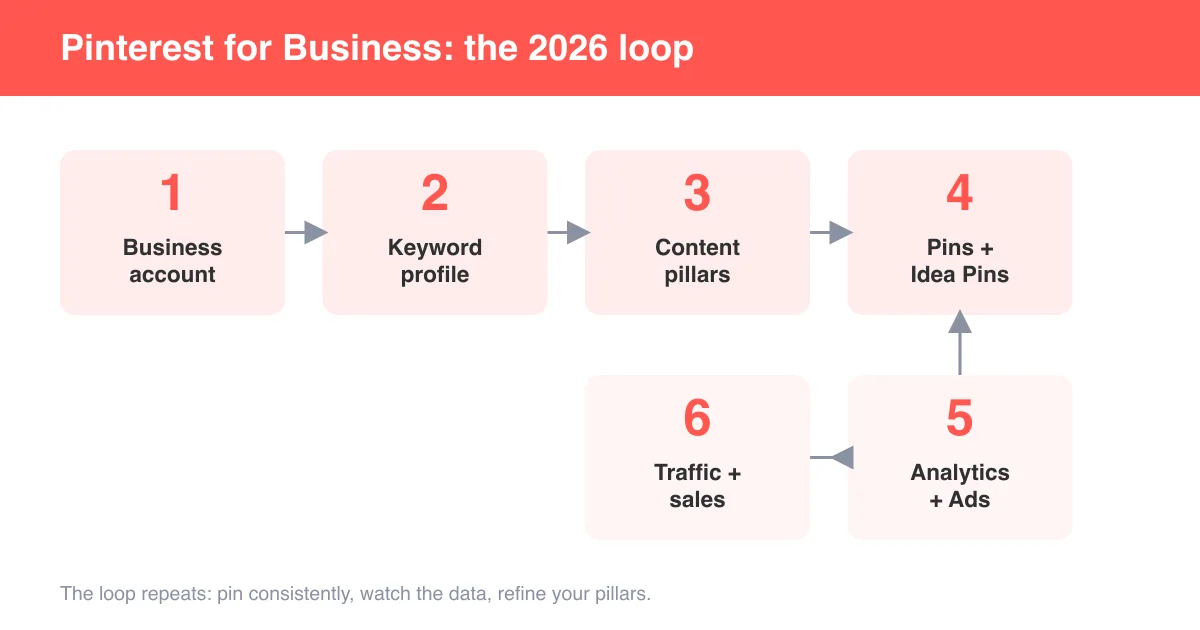
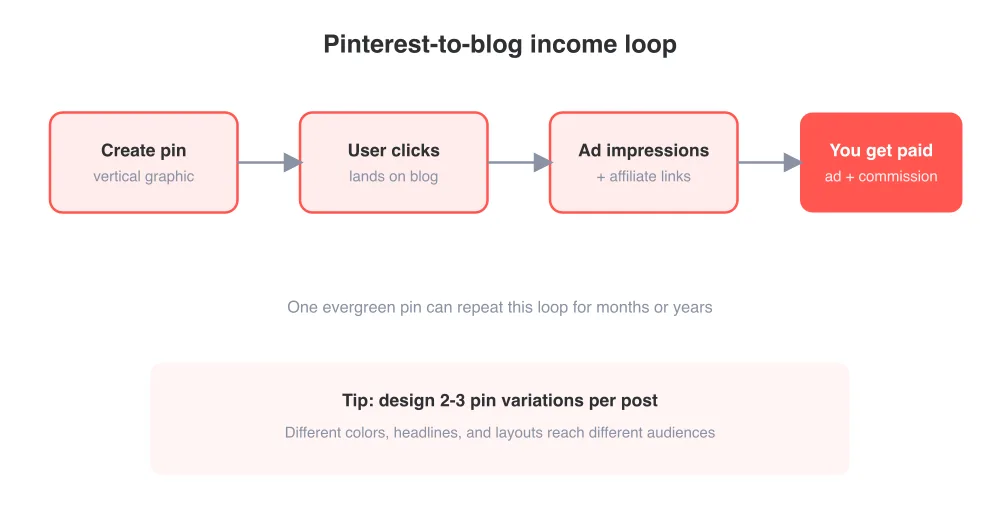
Pinterest does not pay creators directly the way some video platforms do. Instead, it works as a visual search engine that sends interested users to whatever link is attached to a pin. Every method of making money on Pinterest below follows the same basic loop: create a pin, attach a link, and get paid by the destination — a merchant, your own shop, your blog's ad network, or a brand paying for the exposure.
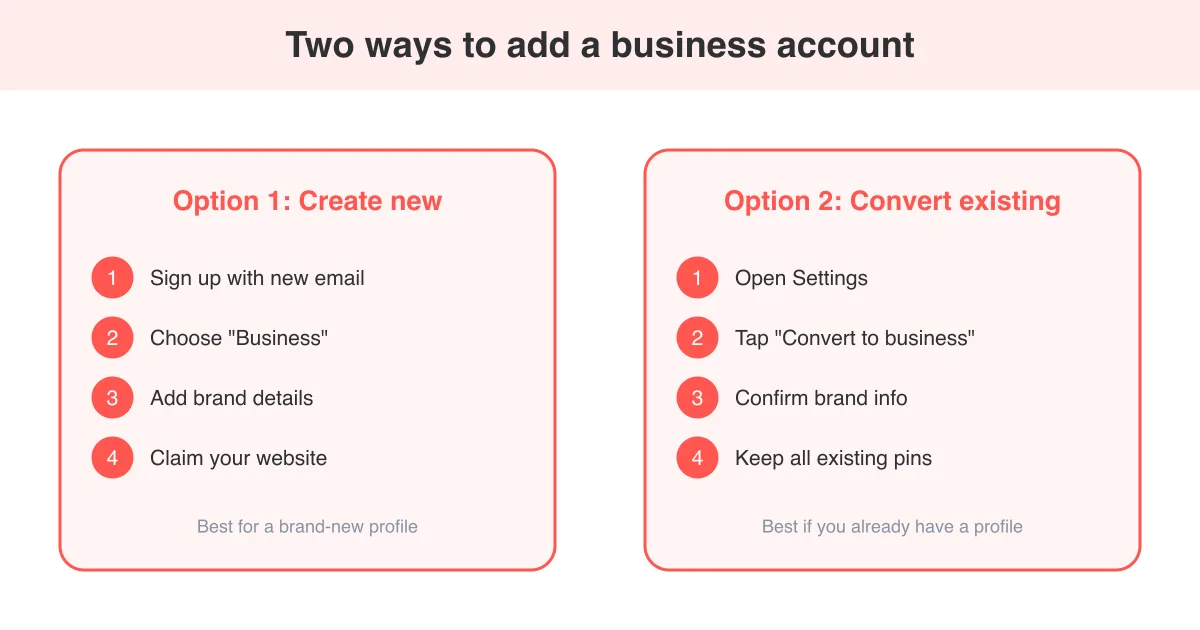
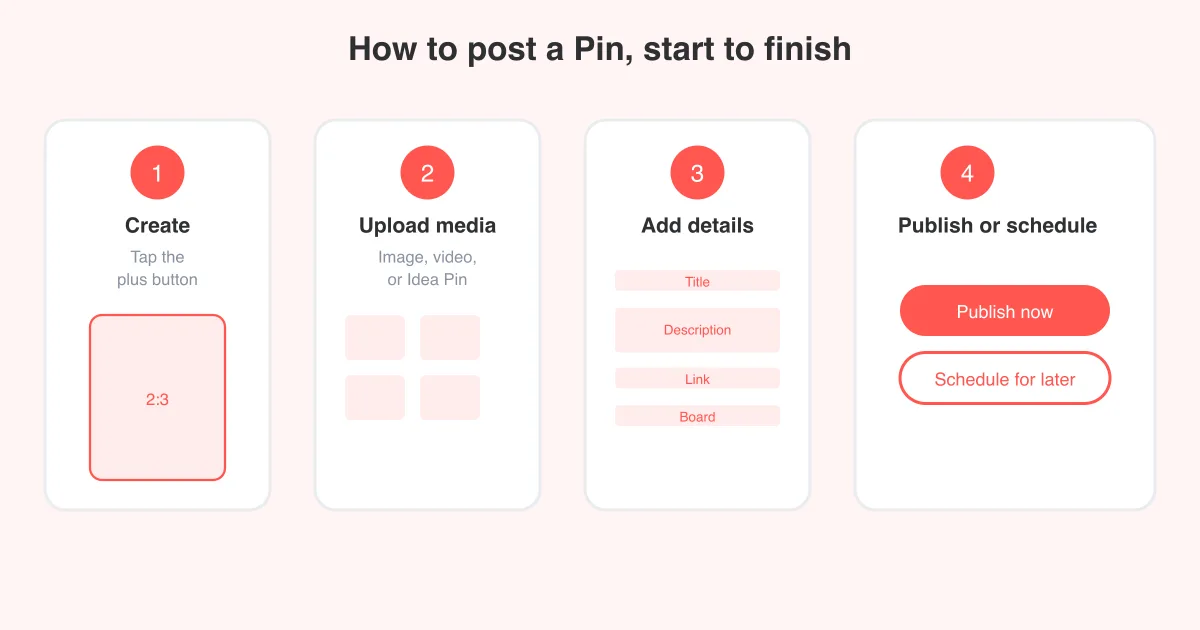
Before any of this works, set up a Pinterest business account, which unlocks analytics, rich pins, and the ability to run ads later. Then get comfortable with the mechanics of posting on Pinterest consistently, since income tends to follow volume and consistency far more than any single viral pin.
Set realistic expectations
Most people who earn meaningful income on Pinterest have been posting consistently for 3-12 months before seeing steady traffic. Treat it like planting a garden of evergreen content, not a slot machine — a handful of well-optimized pins can keep generating clicks for years.
1. Affiliate marketing
Affiliate marketing is the most accessible way to earn money on Pinterest because it requires no product of your own. You join an affiliate program (Amazon Associates, ShareASale, Etsy's affiliate program, ShopStyle Collective, or brand-specific programs), get a trackable link, and create pins that lead to that link. When someone clicks and buys, you earn a commission.
- Join 2-3 affiliate programs relevant to your niche (home decor, fashion, recipes, fitness, etc.).
- Create pins with clear, benefit-driven titles and descriptions rather than generic product photos.
- Add your affiliate link directly to the pin's destination URL, or route it through a landing page if the program requires disclosure or your own site.
- Always disclose that a pin contains affiliate links — this is required by the FTC and by Pinterest's own guidelines.
- Track which pins convert using UTM parameters or your affiliate dashboard, and double down on what works.
Niches with strong Pinterest affiliate performance include home organization, recipes, fashion, fitness, and DIY crafts, since these categories match how people already browse and save ideas on the platform.
2. Sell physical products (Etsy and your own shop)
If you make or curate physical products, Pinterest is one of the highest-converting free traffic sources for Etsy shops, print-on-demand stores, and small ecommerce brands. Pinterest users are often in a planning or buying mindset — searching for gift ideas, home projects, or outfits — which makes them more purchase-ready than casual social scrollers.
- Enable rich pins so your product's price and availability show automatically.
- Pin every new listing the day it goes live, using a vertical image (2:3 ratio works best).
- Create seasonal boards ahead of time — pin holiday and gift-guide content 45-60 days early since Pinterest content ranks over weeks, not hours.
- Use keyword-rich titles and descriptions that match how buyers actually search, e.g. 'personalized birthday gift for mom' instead of just your product name.
Once you're posting regularly, review how to use Pinterest for business for a broader strategy on boards, scheduling, and analytics that support product sales.
3. Drive blog traffic and earn ad revenue
Bloggers have used Pinterest as a primary traffic source for over a decade because a single well-optimized pin can send visitors to a blog post for months or years. More pageviews mean more display ad impressions through networks like Mediavine, AdThrive, or Google AdSense, plus more opportunities to place affiliate links within the post itself.
- Write a blog post targeting a specific, searchable keyword.
- Design 2-3 different vertical pin graphics for that single post to test which style performs best.
- Add the pin images directly to the blog post so readers can pin your content themselves.
- Repin and refresh older posts periodically — Pinterest rewards fresh pin images even on older content.
4. Sell digital products and printables
Digital products — planners, printables, budget templates, Canva templates, courses, or presets — are popular on Pinterest because the platform's audience skews toward planners, organizers, and DIY-minded users. Digital products also have no shipping cost and near-100% margin once created, which makes them one of the more scalable options on this list.
- List digital products on your own site (via Shopify, Gumroad, or a simple checkout page) or on Etsy's digital downloads category.
- Pin previews and mockups of the product, not the raw file itself.
- Create a lead magnet (a free printable) to build an email list, then sell paid products to that list over time.
- Bundle related printables into a paid pack once you see which individual items get the most saves and clicks.
5. Sponsored pins and brand partnerships
Once you have a consistent posting history and decent engagement, brands may pay you directly to create pins featuring their products — similar to sponsored posts on other platforms. This path typically requires the most upfront audience-building, so it's rarely the first source of income for a new account.
- Build a portfolio of organic pins in one clear niche so brands can see your style and audience fit.
- Track basic metrics (impressions, saves, outbound clicks) in Pinterest Analytics to share with prospective sponsors.
- Reach out to brands you genuinely use, or join creator marketplaces that connect Pinterest creators with sponsors.
- Always disclose sponsored content clearly, both to stay compliant and to maintain audience trust.
6. Use Idea Pins and video content to grow an audience first
Idea Pins (Pinterest's multi-page video and image format) don't carry outbound links directly, but they're a strong growth tool: they tend to get more distribution than static pins because Pinterest favors native, engaging formats. Use them to build followers and brand recognition, then convert that audience through your profile link, standard pins, and boards that do carry outbound links to your shop, blog, or affiliate offers.
Think of Idea Pins as the top of your funnel and standard pins as the bottom of the funnel. Growth content builds the audience; linked content converts it into income.
7. A realistic starting checklist
If you're starting from zero, don't try all seven methods at once. Pick one income path that matches something you already have — a blog, an Etsy shop, or a willingness to build an affiliate content library — and commit to it for at least 90 days before judging results.
- Convert to a Pinterest business account and claim your website.
- Pick one primary monetization method (affiliate, shop, or blog traffic) rather than spreading thin.
- Publish pins consistently — several times a week is more effective than one large batch monthly.
- Review Pinterest Analytics monthly to see which pins and topics drive the most outbound clicks.
- Reinvest time into your best-performing pin styles and retire ones that get impressions but no clicks.
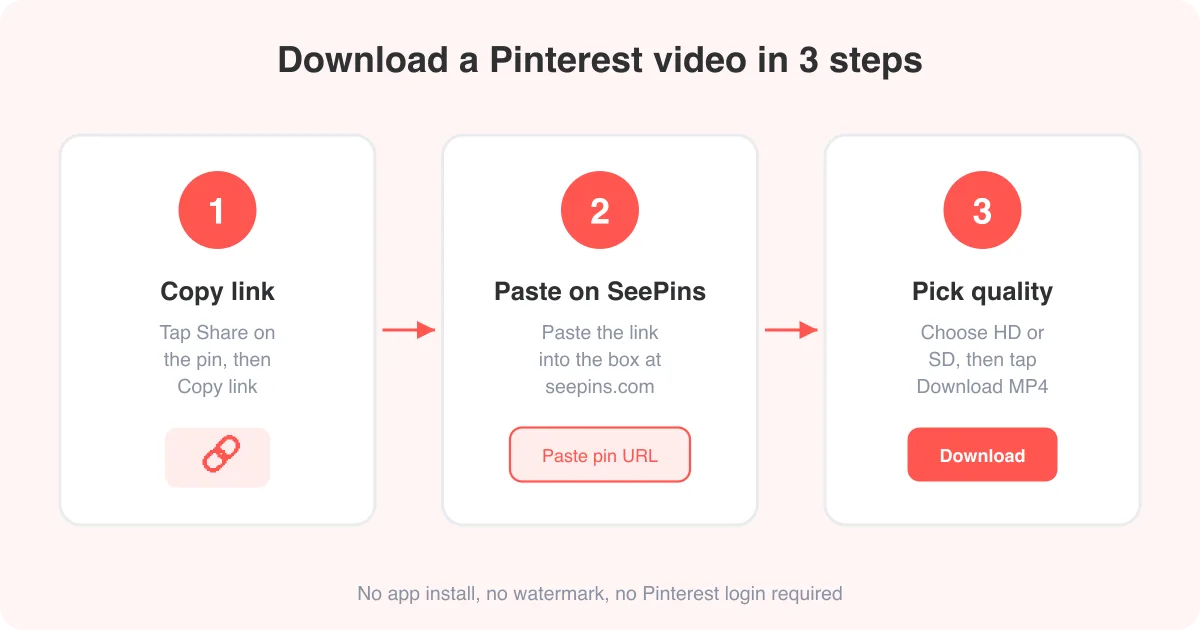
If you're saving reference pins, competitor examples, or your own past graphics for inspiration while you build your strategy, SeePins's Pinterest photo downloader and video downloader make it easy to keep a personal swipe file to study formats that already work.
Frequently asked questions
Not in most regions. Pinterest itself does not run a direct creator payout program the way some video platforms do. Income comes from what you link to — affiliate sales, your shop, ad-supported blog traffic, or paid brand partnerships.